
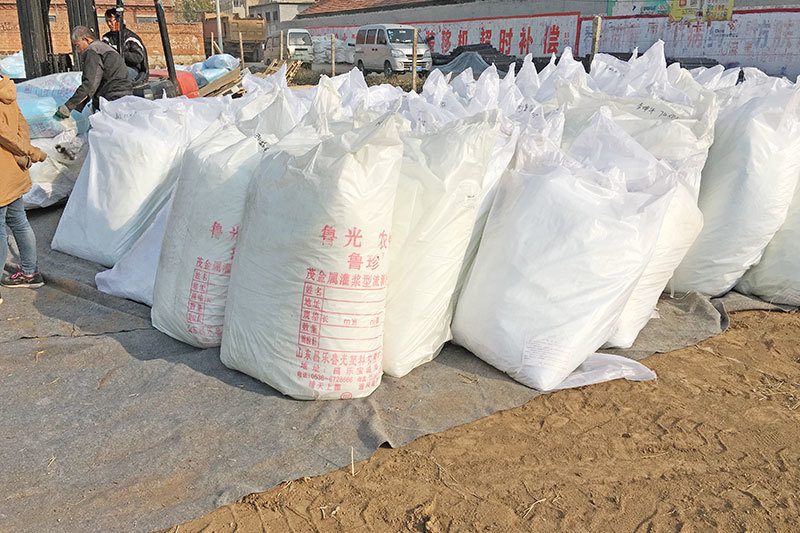
Greenhouse film
Key words:
Classify:
Greenhouse film
Tel:
E-mail:
- Description
-
- 商品名称: Greenhouse film
- 商品编号: 999693766086189056
The concept of greenhouse films has gained significant traction in recent years
The concept of greenhouse films has gained significant traction in recent years, especially as the world grapples with the pressing issues of climate change and food security. Greenhouse films, which are specialized plastic coverings used in agricultural greenhouses, play a crucial role in enhancing plant growth and protecting crops from environmental stressors. This article delves into the various types of greenhouse films, their applications, advantages, and the future of this innovative agricultural technology.
Greenhouse films are primarily made from materials such as polyethylene, polycarbonate, and polyvinyl chloride (PVC). Each material has its own unique properties that make it suitable for different agricultural needs. For instance, polyethylene films are lightweight, affordable, and offer excellent UV protection, making them a popular choice among farmers. On the other hand, polycarbonate films are more durable and provide better insulation, although they tend to be more expensive. PVC films, while less common, are known for their flexibility and resistance to chemicals, which can be beneficial in certain farming scenarios.
One of the most significant advantages of using greenhouse films is their ability to create a controlled environment for plants. By trapping heat and maintaining humidity levels, greenhouse films allow farmers to extend the growing season, particularly in regions with harsh climates. This controlled environment can lead to higher yields and better-quality crops, as plants are less exposed to extreme weather conditions, pests, and diseases. As a result, greenhouse farming has become an increasingly popular method for producing vegetables, fruits, and flowers.
In addition to extending the growing season, greenhouse films can also improve resource efficiency. Traditional farming methods often require large amounts of water and fertilizers, which can be both costly and environmentally damaging. Greenhouse films help to minimize water evaporation and optimize irrigation systems, ensuring that plants receive the right amount of moisture without wastage. Furthermore, the controlled environment reduces the need for chemical pesticides, as plants are less susceptible to infestations. This not only benefits the environment but also results in healthier produce for consumers.
The versatility of greenhouse films extends beyond traditional agriculture. They are also employed in various sectors, including horticulture, floriculture, and even aquaculture. In horticulture, greenhouse films are used to cultivate ornamental plants and landscaping materials, while in floriculture, they help in the production of flowers and plants for decorative purposes. In aquaculture, greenhouse films can be utilized to create controlled environments for fish farming, enhancing growth rates and ensuring better water quality.
Despite their numerous benefits, greenhouse films are not without challenges. One of the primary concerns is the environmental impact of plastic waste. The production and disposal of greenhouse films contribute to the growing issue of plastic pollution. While some manufacturers are exploring biodegradable alternatives, these options often come with higher costs and may not provide the same level of durability as traditional plastic films. As a result, farmers must weigh the benefits of using greenhouse films against their environmental footprint.
Moreover, the effectiveness of greenhouse films can be influenced by factors such as material quality, installation techniques, and maintenance practices. Poorly installed films can lead to issues such as heat loss, condensation, and pest infiltration, which can undermine the advantages of using a greenhouse. Therefore, it is essential for farmers to invest in high-quality materials and adopt best practices for installation and maintenance to maximize the benefits of greenhouse films.
Looking ahead, the future of greenhouse films appears promising, especially with advancements in technology and materials science. Innovations such as smart greenhouse films equipped with sensors and automated systems can enhance the efficiency of greenhouse operations. These technologies can monitor environmental conditions and adjust factors such as temperature, humidity, and light intensity in real time, further optimizing plant growth and resource use.
Additionally, research into sustainable materials for greenhouse films is ongoing. The development of bioplastics and other eco-friendly alternatives could help mitigate the environmental impact of plastic waste while maintaining the performance characteristics necessary for effective greenhouse farming. As consumers increasingly demand sustainably produced food, the agricultural industry must adapt to meet these expectations.
In conclusion, greenhouse films are an essential component of modern agriculture, providing numerous benefits in terms of crop yield, resource efficiency, and versatility across various sectors. While challenges related to environmental impact and material quality remain, ongoing advancements in technology and sustainable practices hold the potential to address these issues. As the world continues to face the dual challenges of climate change and food security, greenhouse films will undoubtedly play a pivotal role in shaping the future of agriculture. By embracing innovation and sustainability, farmers can harness the power of greenhouse films to produce healthier, more abundant crops for generations to come.
Related Products
Silver black dual color plastic film
Online consultation
Scan to add WeChat
Changle Luguang Plastic Products Co., Ltd.
Tel:+86-15908009999
Fax:0536-6729666
E-mail:cllgsl@163.com
Address: Opposite to the government station of Yaogou Town, Changle County, Shandong Province
Copyright © 2022 Changle Luguang Plastic Products Co., Ltd.
Powered by www.300.cn SEO Privacy Policy